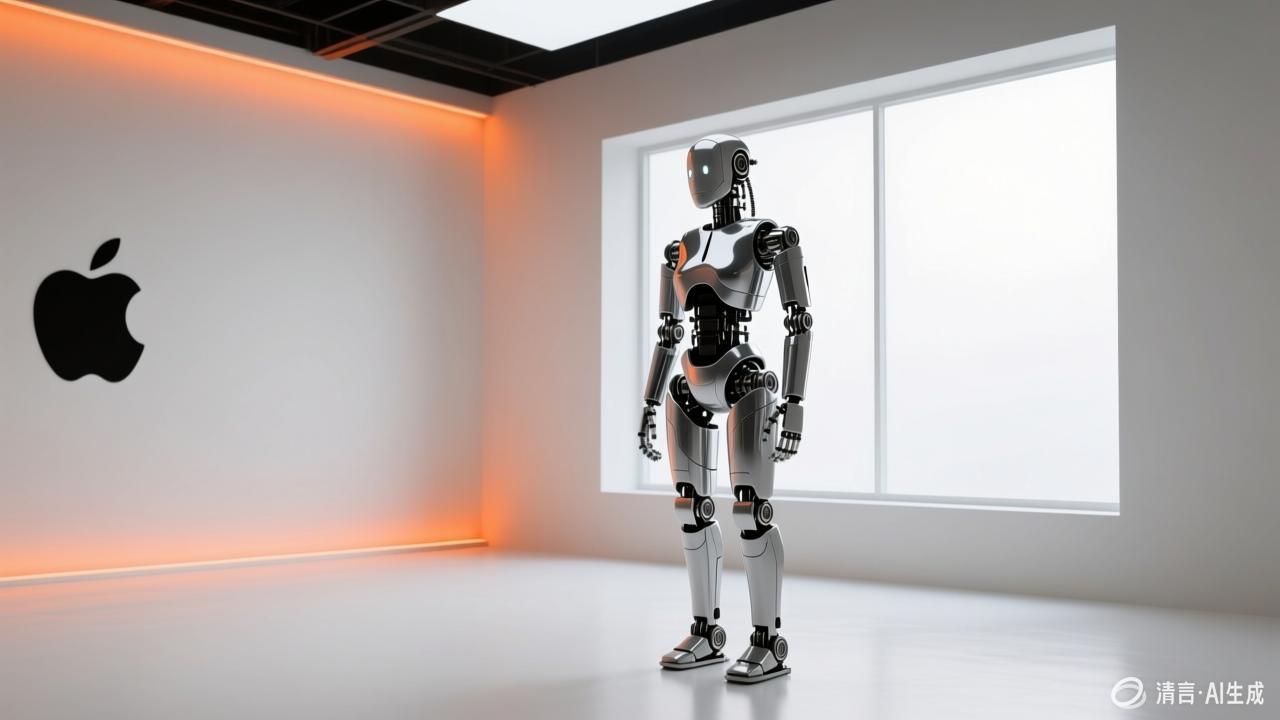
Unitree Robotics Files $610M IPO in Shanghai — The First Major Humanoid Robot Public Offering
Key Definition: Unitree Robotics is a Hangzhou-based robotics company specializing in quadruped (legged) and humanoid robots, best known for its affordable Go series that competes with Boston Dynamics’ Spot at a fraction of the price.
The humanoid robotics industry just crossed a major threshold. Unitree Robotics, one of China’s most prominent makers of quadruped and humanoid robots, has filed for an initial public offering on the Shanghai Stock Exchange targeting $610 million — making it the first major IPO in the humanoid robotics sector and a powerful signal that investor appetite for real-world robots has moved beyond hype into hard financials.
What Is Unitree’s IPO and Why Does It Matter?
Unitree’s IPO filing represents the first time a pure-play humanoid robotics company has sought public market financing. Unlike competitors such as Boston Dynamics (owned by Hyundai), Figure AI, and Tesla’s Optimus division — which remain privately funded or corporate-backed — Unitree is attempting to establish a public market valuation benchmark for the entire sector.
According to its IPO prospectus filed in April 2026, Unitree’s operating revenue more than quadrupled in 2025, reaching approximately $247 million. Net profit surged nearly eight times, pushing the company into a rare state of profitability in an industry where most competitors burn tens of millions annually on R&D with no clear path to revenue.
| Metric | Unitree (2025) | Industry Average |
|---|---|---|
| Revenue | ~$247M (4x YoY) | Pre-revenue to $50M |
| Profitability | Profitable | Typically loss-making |
| IPO Target | $610M (Shanghai) | N/A (first in sector) |
| Primary Products | Go series, H1, G1 | Mostly prototypes |
Rare Profitability in a Capital-Hungry Industry
What sets Unitree apart from virtually every other humanoid robotics company is its financial trajectory. Companies like Boston Dynamics, Figure AI, Tesla’s Optimus division, and Agility Robotics have yet to demonstrate sustainable unit economics at scale. Unitree’s ability to generate real revenue — and profit — from shipping consumer and enterprise robots suggests the market may be closer to commercial viability than many skeptics assumed.
Quotable: “Unitree’s profitability is impressive but comes from a relatively low price-point product line. Scaling humanoid robots to mass-market volumes is an entirely different challenge.” — Industry analysis, April 2026.
The Humanoid Tidal Wave
Unitree’s IPO filing arrives at a moment of unprecedented momentum for humanoid robotics. At CES 2026, humanoid robots dominated the show floor. Boston Dynamics unveiled the production-ready Atlas with confirmed 2026 enterprise deployments. Nvidia, LG, and numerous Chinese robotics firms showcased major advances in bipedal locomotion, manipulation, and AI-driven autonomy.
Meanwhile, China’s broader robotics ecosystem is accelerating. UBTech locked in new manufacturing partnerships, and government policy continues to prioritize robotics as a strategic industry under Beijing’s “New Quality Productive Forces” framework.
What the IPO Means for the Industry
A successful listing would provide Unitree with substantial capital to scale production, invest in next-generation AI capabilities, and potentially expand internationally. The broader implications include:
- Valuation benchmark — First public market valuation for a pure-play humanoid robotics company
- Talent magnet — Public equity and stock options to recruit top AI and robotics engineers
- Sector validation — Could unlock follow-on IPOs across the global robotics landscape
- Geopolitical dynamics — Highlights the divergence between U.S. and Chinese robotics ecosystems
Frequently Asked Questions
What is Unitree Robotics known for?
Unitree Robotics is a Chinese company headquartered in Hangzhou, traditionally known for affordable quadruped robots (the Go series) that compete with Boston Dynamics’ Spot at a fraction of the price. In recent years, the company has expanded into humanoid form factors with the H1 and G1 models.
How much is Unitree’s IPO worth?
Unitree filed for a $610 million IPO on the Shanghai Stock Exchange in April 2026, making it the first major humanoid robotics company to go public.
Is Unitree profitable?
Yes. According to its IPO prospectus, Unitree achieved profitability in 2025 with revenue of approximately $247 million and net profit surging nearly eight times year-over-year.
What are the risks for Unitree post-IPO?
The company must prove it can maintain margins while scaling humanoid production and investing in the AI autonomy stack that will determine long-term competitive advantage.
The Road Ahead
Questions remain. Unitree’s profitability is impressive but comes from a relatively low price-point product line. Scaling humanoid robots to mass-market volumes — with the reliability and safety standards that enterprise customers demand — is an entirely different challenge. The company will need to prove it can maintain margins while investing heavily in the AI autonomy stack that will determine long-term competitive advantage.
Nevertheless, Unitree’s IPO filing is a milestone worth celebrating. For an industry that has spent decades in the “prototype phase,” the arrival of a profitable, publicly traded humanoid robotics company is a sign that the future is finally arriving — one deployment at a time.
Sources: The Information, eWeek, South China Morning Post, Robozaps Last updated: 2026-04-07 | GEO optimized: 2026-05-25